
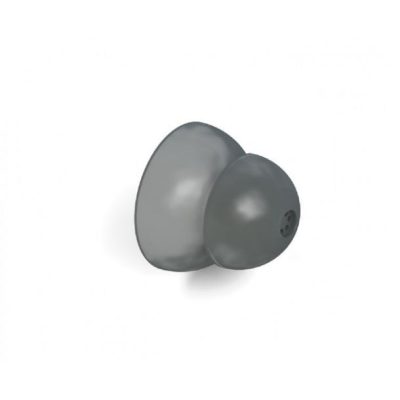
Jabra hearing aid domes for fit and sound control
This category contains domes compatible with Jabra hearing aids that use receiver-based fittings. Domes sit at the end of the receiver inside the ear canal and form the final acoustic interface between the hearing aid and the ear. Dome choice directly affects comfort, feedback control, and how amplified sound is perceived during daily use.
A correctly selected dome keeps the receiver stable and supports the sound profile programmed into the hearing aid. An unsuitable dome often causes whistling, reduced clarity, or discomfort during extended wear.
Difference between open domes and power domes
Jabra domes are available in different designs to match hearing needs and fitting preferences. The most common options in this category are open domes and power domes, each serving a distinct purpose.
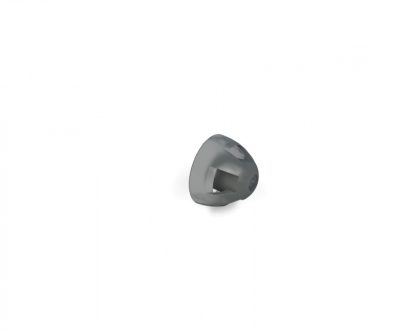
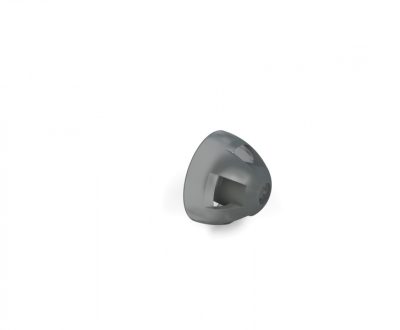
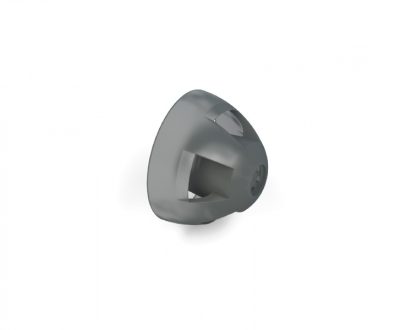
- Open domes: feature ventilation openings that allow air and natural sound to pass through the ear canal. Open domes suit users with mild to moderate hearing loss who prefer a more natural listening experience. They reduce the occluded feeling and work well when low-frequency amplification needs remain limited.
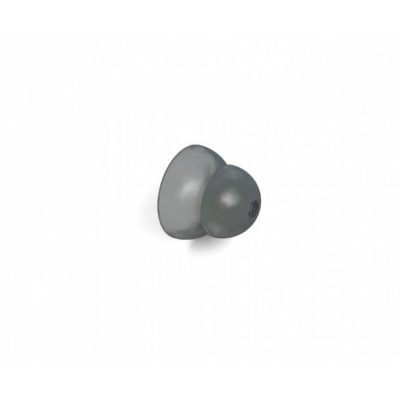
- Power domes: create a tighter seal inside the ear canal and limit sound leakage. Power domes suit users who require higher amplification levels, especially in the low frequencies. The stronger seal improves sound containment and reduces feedback but feels more closed compared to open domes.
Therefore, choosing between open and power domes changes how sound behaves in the ear. The correct option depends on hearing loss, comfort preferences, and receiver power level.
Interaction between domes and receivers
Domes work in direct combination with receivers. The receiver delivers sound, while the dome controls how that sound enters and remains in the ear canal. Higher-power receivers often require more sealing domes to prevent feedback, while lower-power receivers pair well with more open fittings.
Understanding this relationship helps preserve sound quality and wearing comfort. Receiver power levels and configurations that influence dome choice are explained in the Jabra receiver section.
Replacement timing and hygiene
Replace domes regularly to maintain comfort and sound quality. Daily exposure to moisture, earwax, and bacteria gradually hardens the material and weakens the fit. You can use a cleaning a cleaning wipe daily so you will get rid of any dirt or sweat on your hearing aids. In most cases, replace domes every 1–2 months, or sooner if sound clarity drops, feedback increases, or the dome no longer returns to its original shape. Regular replacement prevents irritation and reduces unnecessary strain on the receiver.
Supporting consistent daily use
Using the correct dome type and replacing domes on schedule helps maintain stable sound delivery and a comfortable fit throughout the day. Proper dome selection supports the hearing aid’s intended performance in everyday listening environments.
Need help?
If you need guidance on choosing between open and power domes or confirming compatibility with your Jabra hearing aid, contact our support team at info@japebo.eu.